
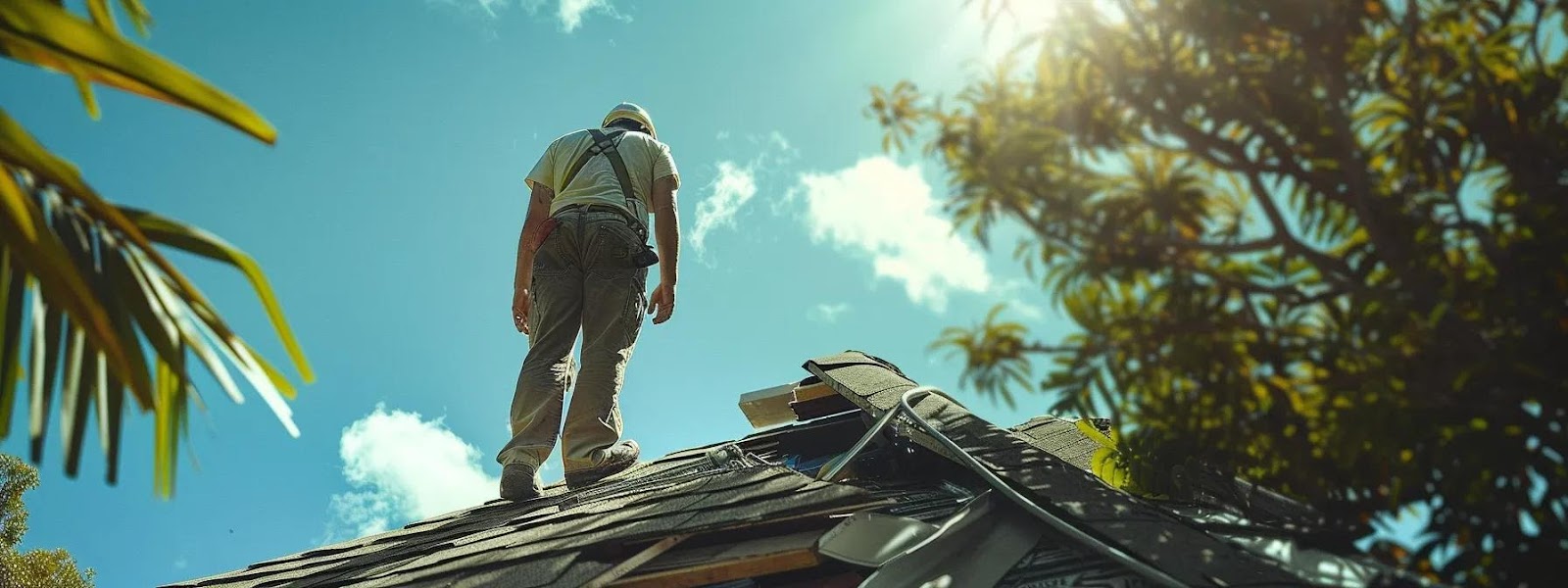
For many Florida homeowners, a reasonable ballpark is $1,000 - $6,000 for common hurricane roof repairs, depending on the material, how many areas were hit and how quickly the work starts after the storm.
If the storm causes widespread roof damage, pricing can climb fast. Larger repairs with multiple slopes, extensive water damage or code-related upgrades can push totals higher. And if the right fix is a full roof replacement, you’re typically looking at a much bigger investment based on roof size, roofing materials and the scope required by local building codes.
What You’re Really Paying For
Hurricanes rarely cause one clean break. They create roof damage that spreads. High winds can lift shingles, crack tile or loosen flashing. Once the surface is compromised, storm damage often turns into water damage quickly.
Most homeowners end up paying for two phases: stopping the leak now and restoring the system correctly later. If you wait, you may see water stains on ceilings or walls. Those stains often point to hidden moisture that can weaken decking, insulation and framing.
Typical Cost Factors After A Major Storm
Pricing varies by roof type and the way the storm hit your home. After a major storm, labor and material availability can tighten, which may affect scheduling and price. Access and roof pitch matter too. Steeper roofs take longer and require more safety setup.
Small fixes can stay relatively contained when the surrounding field is stable. Bigger scopes happen when the storm hits multiple planes or when the underlayment and flashing systems have been disturbed across broad sections.
Repair vs. Replacement
The answer depends on damage patterns and roof age. Localized damage means a repair is likely to fix everything. But widespread lifting, missing sections or repeated leaks can signal that a larger portion needs to be replaced.
A contractor should also inspect the roof deck. If the decking is soft, warped or separating, the repair may require removing more roofing to rebuild the base. That added demolition and reconstruction is a major cost driver.
Insurance Claims & Your Out-Of-Pocket Cost
Many homeowners lean on insurance claims after hurricane losses. Start with your homeowners insurance details and deductible. Your insurance company may require documentation, photos and timelines. They may also ask for multiple estimates before approving a scope.
Professional roofing contractors can help with inspection notes and clear repair documentation. Still, coverage depends on policy language, roof condition and the cause of loss. If the adjuster believes age-related wear played a role, the claim may be limited.
If you plan to file, don’t delay. Protect your home right away. Temporary steps that prevent further water damage often matter during the claim review.
Common Line Items
Roof estimates can feel overwhelming right after a storm. Many include tear-off, underlayment, flashing, disposal and labor. Some also include upgrades tied to local building codes. Florida code requirements can affect fasteners, underlayment type and ventilation approach.
You might also see charges for temporary tarping or interior protection. Those steps help prevent water damage while you wait for permanent repairs to start.
How To Prevent Repeat Leaks
The goal isn’t only to stop today’s drip. It’s to restore a roof system that’s ready for the next season. That means sealing transitions, replacing damaged components and confirming the roof deck is sound before new layers go on.
Good documentation also helps later. It shows what was done, when it was done and why it was needed. That can support future insurance conversations if another storm hits.
When the roof is restored correctly, you’ll feel real peace of mind. Your roof protects your home and helps preserve long-term value.
Choosing A Roofing Contractor
Ask about licensing, insurance and how they handle storm response work. A solid, certified team won’t pressure you. They’ll explain options clearly and set expectations you can count on.
Look for strong communication, too. You should know what happens next, what the timeline looks like and how changes will be handled. You’re not just buying a patch. You’re hiring the people responsible for your home’s protection.
If you’re dealing with hurricane roof repairs now, an inspection is a smart first step. It confirms what’s damaged, shows whether the roof can be roof repaired and supports the paperwork needed for insurance claims.
If your roof took a hit, Knox Roofs is ready to step in. We’ll inspect the damage, explain your repair options and give you a clear scope you can share with your insurance company. From emergency leak stops to storm damage restoration and full roof replacement when it’s needed, our team focuses on doing the job right so you can protect your home with confidence.
Call Knox Roofs to schedule your hurricane damage roof repair inspection and get a straightforward plan for next steps.