For most Florida homes, a drone roof inspection cost usually falls between $150 - $400 when billed as a stand-alone service. Many roofing contractors roll that fee into a broader inspection or repair proposal, so you may not see a separate charge at all.
The exact price depends on your roof size, the level of detail you need and whether you add advanced tools like thermal imaging or 3D models. If you live in a storm-prone area, a smart question is not just what it costs but what value you get from that inspection.
Typical Drone Roof Inspection Cost Ranges
Most homeowners will see similar cost ranges for a drone inspection even though every market is a little different. The simplest model is a flat fee for a single-family home or small duplex. In that case, the average cost often lands in the $200 to $300 range, with smaller roofs on the low end and large or steep roofs at the high end.
The fee usually includes flight time, image review and a clear summary of findings. If the inspection is part of a roof replacement estimate, your roofer may even include it at no charge or credit it back if you move forward with the work.
Other providers prefer hourly or square-foot pricing, especially when the scope is less predictable. An hourly approach covers the pilot’s time on site, extra passes over complex areas and time spent reviewing footage.
Larger properties like townhome communities or light commercial buildings sometimes use a cost per square foot instead. This structure can be helpful when an insurer or property manager needs consistent documentation on dozens of similar roofs. The team can move from building to building with a clear schedule while keeping the overall roof inspection cost predictable.
These different methods all fall into broad cost ranges, but they share one thing in common, they offer more information in less time than a ladder-only visit.
Factors That Affect Roof Inspection Cost
Several variables influence what you actually pay for a drone roof inspection, and understanding them makes it easier to compare quotes.
Roof Size and Complexity. This has the biggest impact. Complex architecture means more flight paths and more time spent reviewing images.
Materials Analysis. Because different roof types show damage in different ways, the inspector may linger to ensure the camera captured every detail clearly.
Level of Detail: Add-ons like thermal imaging add both capability and cost. Extra gear and analysis time can reveal problems that a regular camera might miss. The same is true when you ask for 3D models. Software can stitch overlapping images into accurate three-dimensional representations of your roof.
Property Type. Single homes are straightforward, but large estates like condo communities or commercial facilities are not. Bigger sites may require multiple flights, larger batteries, extra safety checks and deeper reporting for owners and insurers.
A contractor might send a small team with more than one commercial drone to stay on schedule. That coordination and equipment adds cost, yet the overall approach is still cost-effective compared with sending crews to perform only manual inspection on each building.
What Is A Drone Roof Inspection?
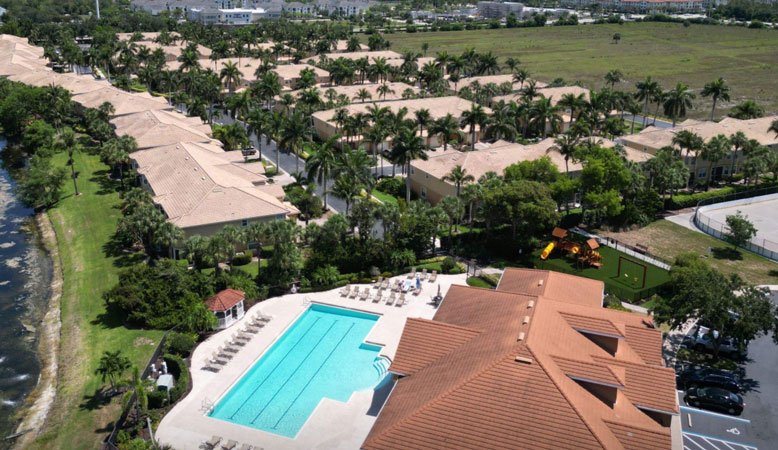
A drone roof inspection uses drone technology and a skilled drone pilot to examine your roof without anyone climbing a ladder.
Here’s what it looks like:
-
- Flight: The pilot flies a commercial drone equipped with a high-resolution camera around your home, capturing high quality photos and video from many angles.
- Photography: Modern drones carry stabilized cameras that can zoom in close to roof surfaces and capture detailed images of vents, skylights, valleys and other roof structures. This allows the operator to see wear and tear from a safe distance.
- Detailed Look: The pilot controls altitude and angle so the drone can move in tight around features that might be hard to reach on foot.
Also, many systems stream video in real time to a tablet on the ground. That live feed lets the roofer spot issues while the drone is still in the air, then circle back for more detail if something looks suspicious.
- Analysis: The footage is then reviewed and organized into detailed reporting that explains what was found and what needs attention.
- Safer and Easier: Compared to manual inspections, where a technician climbs onto the roof and walks every section, there’s much less time and risk, especially on steep or fragile roofs. A drone to inspect the roof can cover the same areas in minutes and zoom in closer than most people would feel comfortable standing.
- Expertise: Your roofer still relies on training and experience to interpret what the camera finds, but the images make those decisions easier and more reliable.
How Drone Inspections Help With Insurance Claims
After a major storm, insurance claims often depend on proof. Drone photos and video create a visual record that leaves little room for confusion. The images show where hail struck, where branches landed and where shingles blew away.
When your roofer can capture detailed evidence from multiple angles, it becomes easier to prove the source and extent of roof damage. These files can be shared with insurance adjusters so everyone reviews the same visuals instead of trading vague descriptions. That shared view helps reduce disagreements, repeat inspections and frustrating delays in payment.
Drone imagery also supports the entire inspection process required by many carriers. Most insurers follow set steps before approving major roof work, and they expect clear documentation at each stage. Wide overhead views demonstrate that every slope has been checked, while close-ups highlight broken tiles, dented vents and torn flashing.
Time stamps, location data and consistent naming help organize the files so they hold up if the claim is revisited later. In many cases, this combination of clarity and organization leads to faster decisions on coverage, which means repairs can start sooner and your home spends less time exposed to the elements.
How Knox Roofs Uses Drone Inspections
Knox Roofs combines long-time roofing experience with modern tools that keep homeowners safe and informed. Drone inspections are a key part of that approach because they allow the team to document roof condition without placing anyone at risk on a steep or fragile surface.
During a visit, the specialist talks with you about any leaks, stains or noises you have noticed, then walks the property with the pilot to plan safe flight paths around trees, power lines and nearby buildings. Once everything is cleared, the pilot sends the drone to inspect every section of the roof, gutters and penetrations while the roofing expert watches the feed in real time.
After the flight, the team reviews the footage and highlights areas of concern, such as missing shingles, cracked tiles or subtle wear and tear around flashing. They then assemble detailed reporting that explains what they found in plain language, along with photos that mark each issue.
This report becomes the basis for all recommendations. If the roof only needs simple maintenance, you will see exactly where and why. If the roof is nearing the end of its life, the report gives you visual proof to support the recommendation and helps you plan for a replacement.
Knox Roofs also uses drone inspections as part of ongoing maintenance plans. Regular checkups let the team track small changes over time, adding new images beside old ones. That history shows how fast certain areas are aging and whether recent storms caused fresh damage.
It can also support future insurance claims by documenting the condition of the roof before and after a weather event. This steady, visual record is one of the reasons many homeowners choose to work with the same roofer year after year.
When You Might Pay Separately For A Drone Inspection
In many situations, inspection costs are folded into larger roofing work, but there are moments when a stand-alone drone service makes sense. Home buyers often request an independent look at the roof before closing, even after a general home inspection.
You’re Not Sure if Your Roof Needs Work Done Yet
A dedicated drone visit gives you clear images instead of only a brief note in a report. You can see flashing, valleys and penetrations up close, then decide whether to ask the seller for repairs or a credit. For sellers, having recent drone photos available can reassure buyers that the roof is in good shape and help prevent last-minute surprises.
You’re Filing an Insurance Claim
Homeowners also choose separate drone inspections when they are considering insurance claims but want more information first. Paying once for a comprehensive visual record can prevent confusion later and may support a fair settlement.
You Just Had a Storm Pass Through
The same logic applies to property managers and association boards who oversee many buildings. After a storm, they might schedule a coordinated drone survey across the community rather than waiting for scattered complaints. The contractor then reviews results, ranks roofs by urgency and helps the board plan repairs in a logical order.
(In larger projects, providers often explain cost ranges clearly upfront so the board can budget the job, which is usually billed hourly or by the square foot.)
Are Drone Roof Inspections Cost-Effective?
When you compare cost against potential savings, drone inspections usually come out ahead. Early detection of wear and tear can prevent leaks that stain ceilings, damage flooring and ruin belongings. The images provide proof of regular care, which can help when you sell your home or negotiate with your insurer.
A good inspection also helps you avoid unnecessary work. When the roof is still in healthy condition, clear photos and detailed reporting make it easier to choose patch repairs or maintenance instead of rushing into a full replacement.
All these benefits add up, making a drone inspection one of the most cost-effective tools available for protecting your roof.
Next Steps For Florida Homeowners
If you are unsure whether your roof needs work, a drone inspection is a safe, efficient way to get answers. Ask your roofer how they price drone services, whether any fees are credited toward repairs and what type of report you will receive. Make sure they explain how the flight will be conducted, what happens with the footage and how long they will keep it on file.
The right partner will walk you through each part of the process, use both technology and experience to guide you and respect your budget at every step. With clear images, honest advice and a thoughtful inspection process, you can protect your home, your costs and your peace of mind for years to come.
When you choose Knox Roofs, you choose a roofer for life.