A practical guide for homeowners, condo associations, HOAs, and community leaders
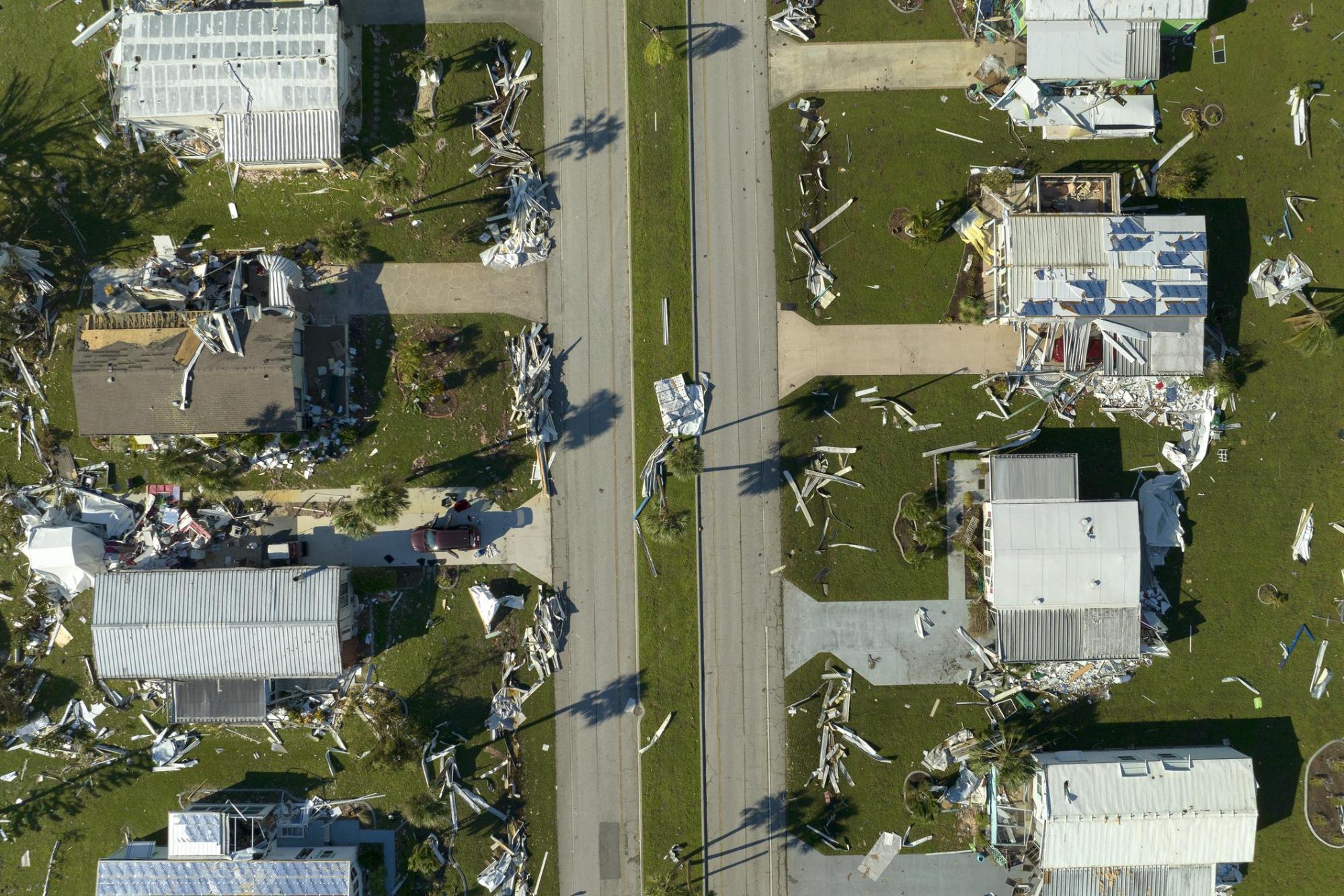
Florida hurricane season is not a surprise. It arrives every year with the same risks, yet many homes and communities are still caught unprepared when a major storm forms. For individual homeowners, preparation protects your family and your investment. For condo associations, HOAs, and community boards, preparation protects dozens or even hundreds of families at once.
This guide is written for both levels of responsibility. Each tip explains what individual homeowners should do and what community leaders should plan at scale. The goal is simple: fewer emergencies, less damage, and faster recovery when the storm passes.
1. Understand Your Hurricane Risk Before the Season Starts
Florida is not one uniform risk zone. Wind speed, flood exposure, storm surge, and evacuation rules vary by county and even by neighborhood.
For homeowners:
Know your evacuation zone, flood zone, and local shelter options. Review past storm impacts in your area, not just statewide headlines. Coastal and low-lying areas face different risks than inland communities.
For HOAs and condo associations:
Map risk across the entire property. Identify buildings closest to water, older structures, and roofs nearing the end of their service life. Document this risk before hurricane season so decisions are not rushed under pressure.
2. Build a Hurricane Plan That Everyone Can Follow
A plan only works if it is clear and easy to execute.
For homeowners:
Have a written plan that covers evacuation routes, meeting points, pet care, and emergency contacts. Share it with everyone in the household.
For community leaders:
Create a community-wide hurricane response plan. Assign responsibilities to board members, property managers, and vendors. Clarify who makes decisions, who communicates with residents, and who coordinates post-storm inspections.
3. Prepare a Real Emergency Supply Kit, Not a Last-Minute One
Storm preparation often fails at the supply stage because people underestimate duration.
For homeowners:
Plan for at least seven days of food, water, medications, batteries, flashlights, and hygiene supplies. Assume power and cell service may be limited.
For HOAs and condos:
Stock shared resources such as tarps, basic tools, fuel for generators, and first-aid supplies. Identify residents who may need assistance, including elderly or disabled homeowners.
4. Protect the Roof First, Because Everything Depends on It
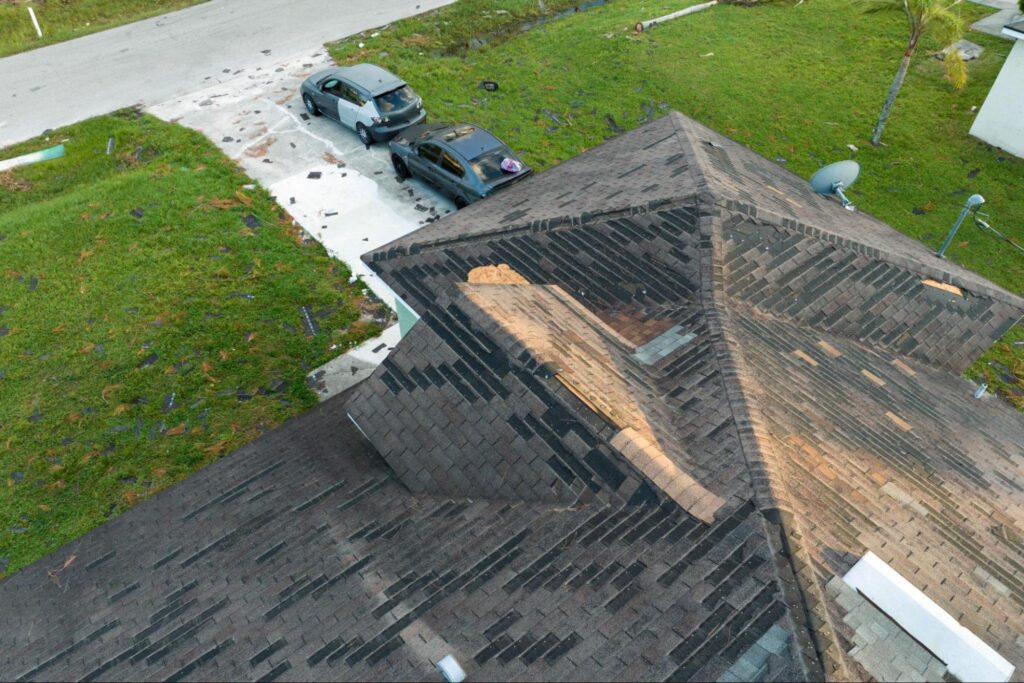
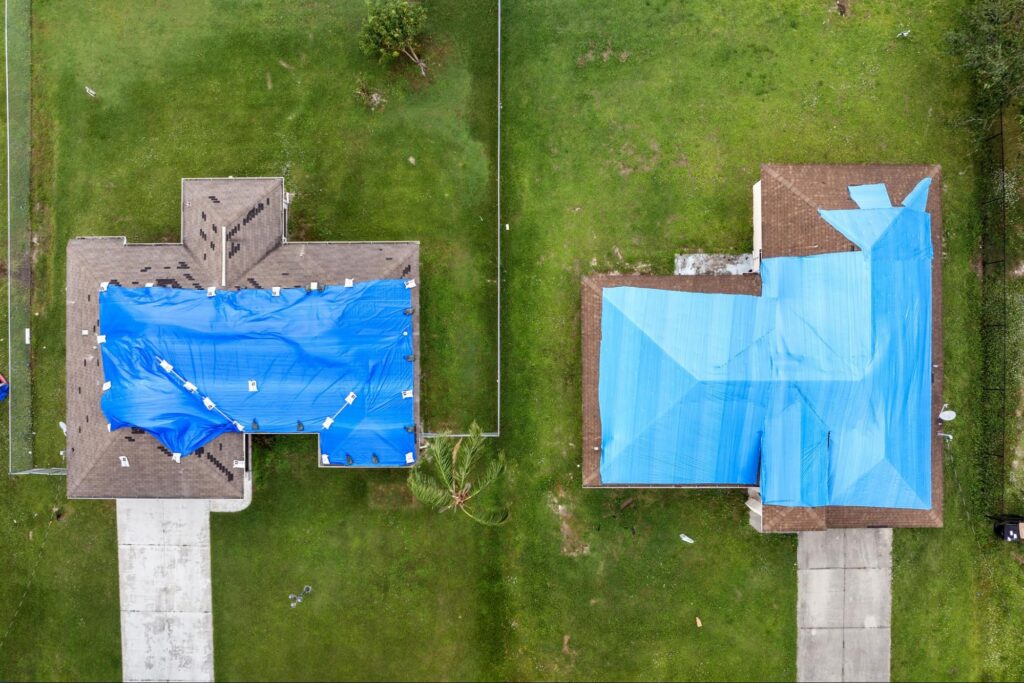
Roof failure is one of the most common causes of catastrophic home damage during hurricanes.
For homeowners:
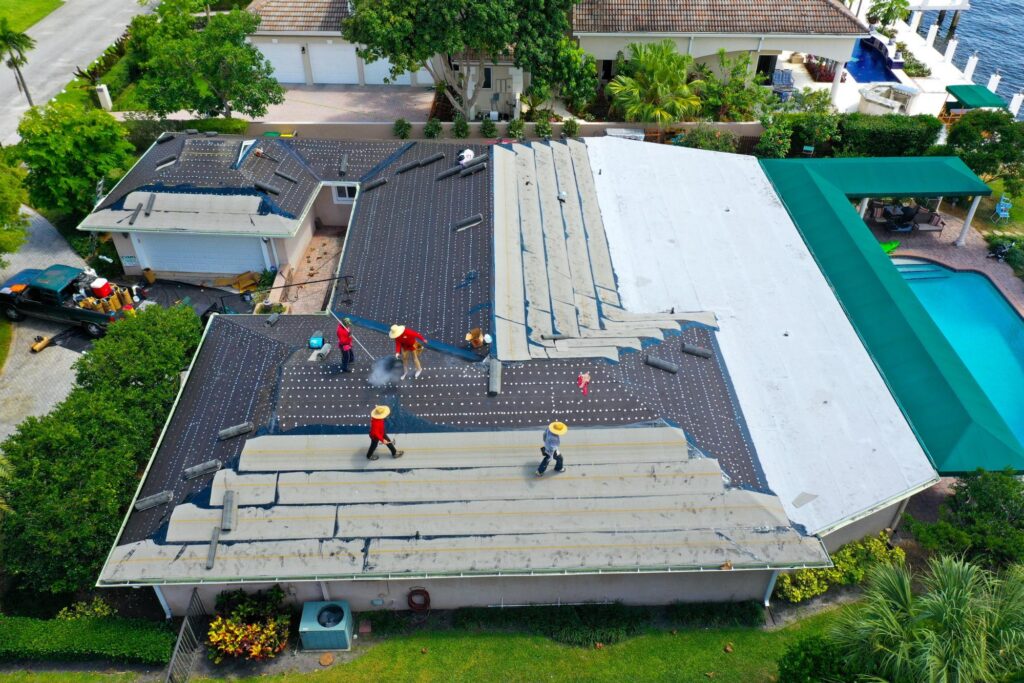
Schedule a professional roof inspection before hurricane season. Look for loose shingles, cracked tiles, worn flashing, and clogged drainage. Small issues become major failures in high winds.
For associations:
Conduct roof inspections across all buildings, not just those with visible damage. Prioritize repairs based on age, material, and exposure. A proactive inspection program reduces emergency costs and insurance disputes later.
5. Secure the Building Envelope, Not Just the Windows
Wind enters homes through weak points. Once inside, pressure can lift roofs and cause structural failure.
For homeowners:
Install hurricane shutters or impact-rated protection. Reinforce garage doors and seal exterior penetrations.
For communities:
Standardize protection across buildings where possible. Mixed levels of protection increase risk for attached units. Review building codes and confirm upgrades meet current Florida requirements.
6. Manage Trees, Drainage, and Water Flow
Flying debris and standing water cause extensive damage during storms.
For homeowners:
Trim trees away from the home and roof. Clear gutters, downspouts, and drains before the season begins.
For associations:
Schedule professional tree trimming and drainage inspections. Ensure stormwater systems are clear and functioning. Poor drainage in common areas can flood multiple units at once.
7. Review Insurance Coverage Before You Need It
Insurance confusion after a storm often delays recovery.
For homeowners:
Confirm your homeowners and flood insurance coverage. Understand deductibles and exclusions. Photograph your home and valuables before the season for documentation.
For HOAs and condo boards:
Review master policies, windstorm coverage, and flood insurance. Clarify responsibility boundaries between association coverage and unit owner policies. Keep digital copies of all policies accessible.
8. Plan for Power Loss and Backup Energy
Extended power outages are common after major hurricanes.
For homeowners:
If using a generator, learn safe operation and proper ventilation. Never run generators indoors or near openings.
For communities:
Test generators that support elevators, fire systems, and common areas. Ensure fuel contracts and maintenance schedules are current. Identify cooling or shelter spaces for residents during outages.
9. Establish Reliable Communication Channels
Clear communication prevents panic and misinformation.
For homeowners:
Register for local emergency alerts and weather updates. Keep a battery-powered radio as backup.
For HOAs and condos:
Set up multiple communication channels such as email, text alerts, and posted notices. Designate one official source for updates to avoid conflicting messages.
10. Document Property Conditions Before the Storm
Documentation protects you during insurance claims.
For homeowners:
Take photos and videos of your roof, exterior, and interior spaces. Store them digitally and off-site.
For associations:
Maintain updated photo records of all buildings, roofs, and common areas. This documentation is critical when filing large-scale insurance claims after a storm.
11. Have a Post-Storm Inspection Plan Ready
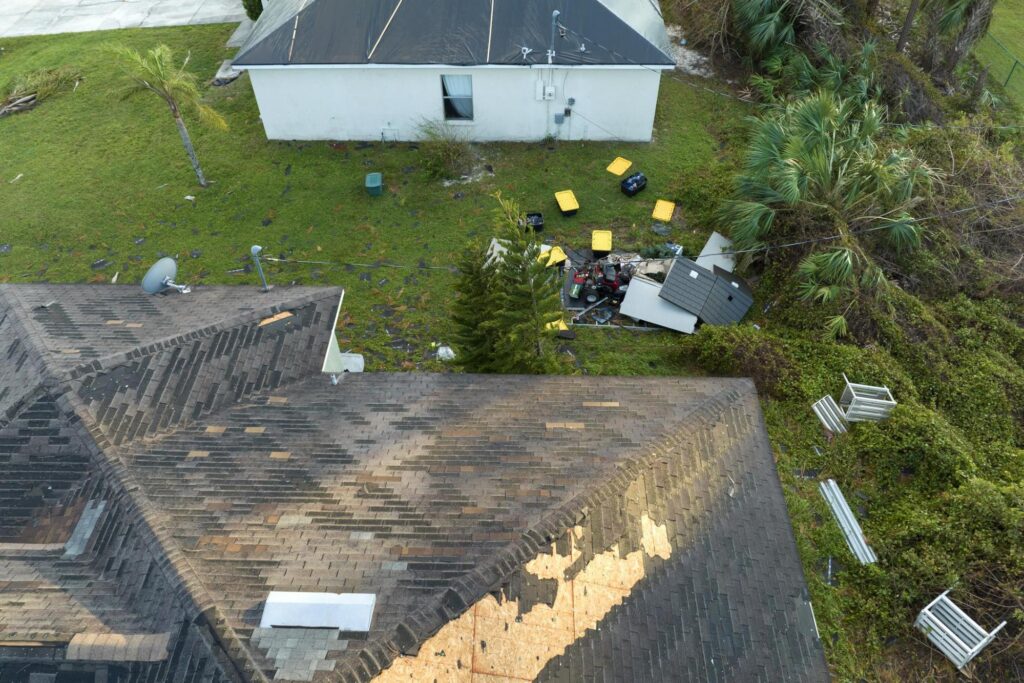
The storm is only half the battle. Recovery starts immediately after.
For homeowners:
Do not climb onto the roof. Look for visible damage from the ground and schedule a professional inspection as soon as conditions are safe.
For communities:
Coordinate post-storm inspections across all buildings. Use qualified professionals who understand multi-structure assessments. Quick inspections prevent minor damage from turning into long-term structural problems.
12. Treat Hurricane Preparedness as a Year-Round Responsibility
The most resilient communities do not scramble when storms form. They plan all year.
For homeowners:
Schedule annual inspections, keep supplies updated, and revisit your plan each spring.
For HOAs and condo boards:
Build hurricane preparedness into long-term maintenance planning. Budget for inspections, repairs, and upgrades. A prepared community protects property values and resident safety.
Always Remember: Preparation Is Protection
Hurricane preparedness is not just about surviving the storm. It is about protecting your home, your investment, and the people who depend on you. When preparation happens early, recovery is faster and damage is reduced.
For homeowners, that means peace of mind.
For condo boards and HOAs, it means fulfilling your responsibility to every resident.
At Knox Roofs, we help Florida homeowners and communities prepare long before storms form. Through professional inspections and clear guidance, we help you understand your roof’s condition and reduce risk before hurricane season begins.
Preparedness is not panic.
Preparedness is leadership.
Schedule a no-obligation roof inspection with Knox Roofs and know where your roof stands before the next storm.